Introduction
Modern buildings require more than attractive interiors. Offices, conference rooms, educational facilities, commercial spaces, and residential environments also need good acoustic comfort. Excessive echo and reverberation can make conversations difficult to understand and reduce the comfort of people using these spaces.
PET acoustic panels are a popular option for combining sound absorption with modern interior design. Available in different colours, thicknesses, shapes, and finishes, these panels can help improve room acoustics while complementing contemporary interiors.
At URBAN-X, we understand the importance of selecting acoustic materials according to the needs of each project. In this guide, we explain what PET acoustic panels are, how they work, their benefits, common applications, and how to choose the right panels for your space.
What Are PET Acoustic Panels?
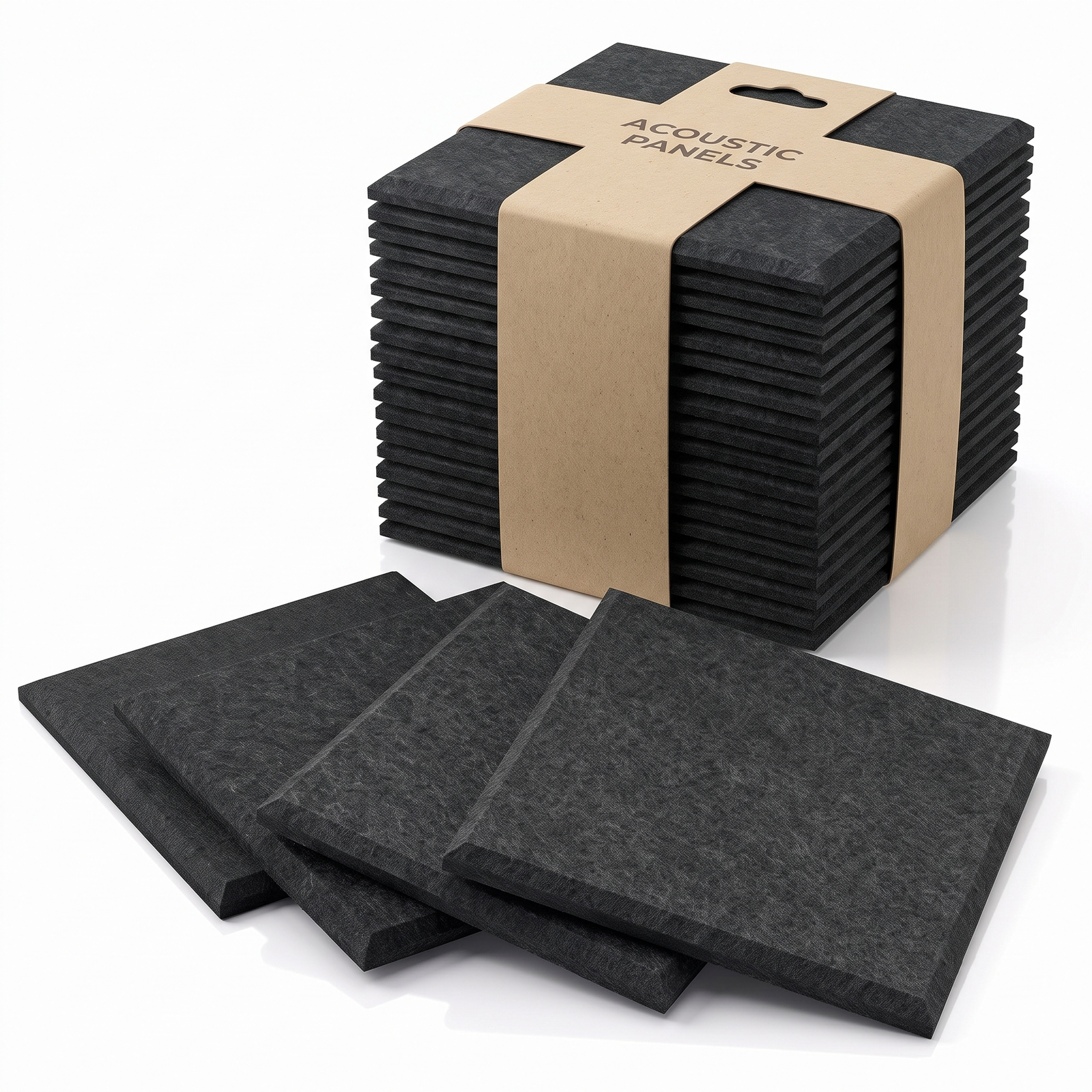
PET acoustic panels are sound-absorbing panels commonly manufactured from polyester fibres, which may include recycled PET material. PET stands for polyethylene terephthalate, a type of polyester widely used in various products and materials.
These panels are designed to absorb a portion of the sound energy that reaches their surfaces. Their fibrous structure helps reduce sound reflections and excessive reverberation when installed appropriately.
Unlike conventional foam panels, PET acoustic panels can be manufactured as rigid or semi-rigid boards with clean edges, decorative shapes, and a wide range of colours. This makes them suitable for projects where both acoustic performance and visual appearance matter.
The exact composition, recycled content, fire performance, and acoustic characteristics vary by product, so technical documentation should always be checked before selection.
How Do PET Acoustic Panels Work?
Sound waves travel through a room and reflect from hard surfaces such as glass, concrete, metal, and untreated walls. When these reflections continue for too long, they can create excessive reverberation and reduce speech clarity.
PET acoustic panels absorb some of this reflected sound energy through their fibrous structure. When installed in suitable locations, they can help control reflections and create a more comfortable listening environment.
Their acoustic performance depends on several factors:
- Panel thickness: Thickness influences how much sound is absorbed, particularly at different frequencies.
- Material density and structure: Fibre composition and panel construction affect acoustic performance.
- Installation method: Mounting panels with an air gap can influence absorption, depending on the product and frequency.
- Surface coverage: The quantity and placement of panels affect the overall room response.
- Room characteristics: Room dimensions, furnishings, ceiling height, and hard surfaces influence the final result.
For reliable comparisons, review frequency-specific sound absorption data from appropriate acoustic tests.
Key Benefits of PET Acoustic Panels
1. Improved Sound Absorption
PET acoustic panels can help absorb reflected sound and reduce excessive reverberation in suitable indoor spaces. This can make rooms more comfortable for conversations, meetings, and collaborative work.
2. Better Speech Clarity
In meeting rooms, classrooms, offices, and conference facilities, excessive reverberation can make speech difficult to understand. Properly positioned acoustic panels can help improve speech intelligibility.
3. Modern Interior Design
PET panels are available in a variety of colours, shapes, textures, and sizes. Designers can use them to create decorative wall features, geometric patterns, and visually appealing acoustic installations.
4. Lightweight Construction
Many PET acoustic panels are relatively lightweight compared with heavier construction materials. This can make handling and installation more convenient, subject to the panel design and mounting requirements.
5. Options Containing Recycled Material
Some PET acoustic panels are manufactured using recycled polyester fibres. These products may support material-reuse objectives, depending on their verified recycled content and manufacturing process.
Always check the manufacturer’s environmental documentation rather than assuming that every PET panel has the same sustainability credentials.
6. Flexible Design Applications
PET panels can be cut into different shapes and sizes, depending on the product. This allows them to be incorporated into feature walls, partitions, selected ceiling applications, and other interior design concepts.
Types of PET Acoustic Panels
Flat PET Acoustic Panels
Flat panels offer a clean, minimal appearance and are suitable for offices, conference rooms, classrooms, and commercial interiors. They are often used where simple shapes and consistent wall coverage are preferred.
Decorative PET Wall Panels
Decorative panels combine sound absorption with visual design. They may feature geometric patterns, layered forms, or custom-cut designs to complement a particular interior concept.
PET Ceiling Panels
PET ceiling panels can help manage reflections from overhead surfaces in appropriate installations. Their suitability depends on the product design, mounting system, ceiling structure, and relevant fire-safety requirements.
Custom-Cut PET Panels
Custom-cut panels can be manufactured in selected shapes, dimensions, and patterns to meet project requirements. They are useful for branded interiors, architectural features, and specialised acoustic designs.
Where Are PET Acoustic Panels Used?
PET acoustic panels are suitable for many indoor environments where controlling sound reflections is important.
Offices and Workspaces
Open-plan offices often contain hard surfaces that contribute to distracting background reverberation. PET panels can help improve acoustic comfort when used as part of a suitable treatment plan.
Conference and Meeting Rooms
Good speech clarity is essential during presentations, meetings, and video conferences. Appropriately placed PET panels can help control reflections and support clearer communication.
Educational Institutions
Classrooms, training centres, and libraries can benefit from better acoustic conditions. PET panels may help reduce excessive reverberation and make speech easier to understand.
Commercial Interiors
Retail spaces, reception areas, showrooms, and customer-service environments may use PET panels to combine decorative design with sound absorption.
Residential Spaces
Home offices, study rooms, and selected entertainment areas can benefit from acoustic treatment when excessive reflections affect comfort or audio quality.
Hospitality and Shared Spaces
Restaurants, lounges, waiting areas, and other shared environments may use PET panels to improve acoustic comfort while maintaining an attractive interior appearance.
The required panel coverage and installation method depend on the room’s dimensions, use, and acoustic objectives.
PET Acoustic Panels vs Acoustic Foam
PET acoustic panels and acoustic foam are both used for sound absorption, but they differ in material construction, appearance, and typical design applications.
| Feature | PET Acoustic Panels | Acoustic Foam |
|---|---|---|
| Typical material | Polyester fibres | Commonly open-cell polyurethane foam |
| Primary purpose | Sound absorption | Sound absorption |
| Appearance | Often flat, decorative, or rigid | Commonly pyramid, wedge, or grid patterns |
| Design options | Colours, shapes, and custom cuts | Multiple thicknesses and surface patterns |
| Common applications | Offices, meeting rooms, commercial interiors | Studios, recording rooms, podcast spaces |
| Acoustic performance | Depends on product and installation | Depends on product and installation |
Neither material is automatically better in every situation. The right choice depends on the target frequencies, required absorption, appearance, budget, installation conditions, and verified test data.
PET Acoustic Panels vs Soundproofing Materials
It is important to distinguish sound absorption from soundproofing.
PET acoustic panels primarily absorb reflected sound inside a room. They can help control echo and reverberation, but they do not, by themselves, provide substantial sound isolation through walls or ceilings.
When the main objective is to reduce noise travelling between rooms, the project may require a properly designed sound-isolation assembly. This can involve suitable mass, airtight construction, structural isolation, and carefully detailed junctions.
Mass Loaded Vinyl (MLV) can be incorporated into some sound-isolation systems as an additional mass layer. Its performance depends on the complete assembly and installation quality.
For projects requiring both internal acoustic treatment and reduced sound transmission, PET panels and appropriate sound-isolation materials may serve complementary roles.
How to Choose the Right PET Acoustic Panels
Selecting the right PET panels requires more than choosing a colour or thickness.
Identify Your Acoustic Requirements
Determine whether your main concern is excessive echo, poor speech clarity, distracting reverberation, or sound transmission between spaces. PET panels are primarily designed for sound absorption.
Check Panel Thickness and Acoustic Data
Compare available thicknesses and frequency-specific absorption coefficients. Thicker panels may offer better absorption at certain frequencies, but actual performance depends on the complete product and installation.
Consider Colours and Design
Select colours, shapes, and finishes that complement the interior design. For larger commercial projects, confirm that the chosen panels can be supplied consistently across the required quantity.
Review Fire-Safety Requirements
For offices, public buildings, educational facilities, and commercial projects, confirm that the product’s documented fire performance meets applicable project and local requirements.
Evaluate Mounting and Maintenance
Check whether the panels require adhesive, mechanical fixings, a suspended system, or another mounting method. Consider accessibility, cleaning instructions, and the condition of the installation surface.
Request Technical Documentation
Before placing a bulk order, review the product’s dimensions, composition, acoustic test reports, fire-performance documentation, and installation instructions.
Installation Tips for PET Acoustic Panels
Correct installation is important for achieving the intended acoustic performance.
- Assess the room and identify surfaces contributing to excessive reflections.
- Measure the installation area and calculate the required panel quantity.
- Select a mounting method compatible with the panel and substrate.
- Follow the manufacturer’s spacing, fixing, and installation recommendations.
- Confirm that the installed panels meet the project’s fire-safety requirements.
- Evaluate the room after installation to determine whether additional acoustic treatment is necessary.
For large offices, auditoriums, and commercial developments, an acoustic assessment can help determine the appropriate panel coverage and placement.
Why Choose URBAN-X for Acoustic Solutions?
URBAN-X provides acoustic materials for residential, commercial, and industrial applications. Our acoustic product range supports projects with different requirements for sound absorption and sound isolation.
When selecting acoustic materials, it is important to consider the space, the intended use, product specifications, and the installation method.
Whether you are developing an office, conference room, educational facility, or commercial interior, the right acoustic strategy can help create a more comfortable and functional environment.
Contact URBAN-X to discuss your project’s requirements and explore suitable acoustic material options.
Frequently Asked Questions (FAQs)
What are PET acoustic panels made of?
PET acoustic panels are generally made from polyester fibres. Depending on the product, these fibres may include recycled PET material. Always check the product specifications for exact composition.
Do PET acoustic panels reduce echo?
Yes, suitable PET acoustic panels can absorb reflected sound and help reduce excessive echo and reverberation. Results depend on the panel’s acoustic performance, thickness, placement, and coverage.
Are PET acoustic panels soundproof?
No. PET acoustic panels are primarily designed for sound absorption, not for blocking sound transmission through walls or ceilings.
Are PET acoustic panels suitable for offices?
Yes. They can be used in offices, conference rooms, meeting areas, and other workspaces to help manage reverberation and improve acoustic comfort.
Are PET acoustic panels environmentally friendly?
Some products contain recycled polyester fibres and may support material-reuse objectives. Environmental benefits depend on verified recycled content, manufacturing processes, durability, and end-of-life options.
How thick should PET acoustic panels be?
The appropriate thickness depends on the target frequencies, room conditions, and required acoustic performance. Review frequency-specific test data before making a selection.
Conclusion
PET acoustic panels offer a practical way to combine sound absorption with modern interior design. They can help reduce excessive reverberation and improve acoustic comfort in offices, meeting rooms, educational facilities, commercial spaces, and selected residential environments.
Choosing the right panel requires consideration of acoustic performance, thickness, design, fire-safety documentation, and installation requirements.
Looking for acoustic solutions for your next project? Explore the acoustic product range from URBAN-X and contact our team to discuss your requirements.
